An interview with Emma Heming Willis on facing the challenges of husband Bruce Willis’ life-changing diagnosis — with lessons for all caregivers.

Like everyone whose life is upended by a serious medical diagnosis, Emma Heming Willis had no understanding of the challenges that were coming her way after her husband, actor Bruce Willis, was diagnosed with frontotemporal dementia (FTD) three years ago. But she discovered she could develop the inner resources to meet those challenges. Now her goal is to help others do the same through her book The Unexpected Journey: Finding Strength, Hope, and Yourself on the Caregiving Path.
“The story is so much bigger than just Bruce and me. I want to normalize the conversation, to shine a light on caregivers. They are unsung heroes. They are unseen and unsupported, and we need to recognize them.”
Willis talked about her experiences from the backseat of a car traveling through New Jersey following a meeting with caregivers in Ocean City, MD, and on her way to New York City to promote the book. It was mid-September and even though the book had only been out for a week and a half it was already No. 2 on the New York Times bestseller list. She attributes this to the millions of caregivers looking for help.
“Because I had the resources and access to be able to talk to the most incredible experts, I knew I was sitting on really important information other caregivers don’t have. I wanted to share with others help for the long journey.”
Information was something the Willis family didn’t have when their journey began. FTD doesn’t present itself like other memory loss conditions. Because it is marked by changes in language or personality and how the person relates to others, loved ones often assume the person is being rude, apathetic, irritable or depressed. These seem like behaviors of choice rather than symptoms of a disease.
Over time Willis watched her loving, easy-going husband change into a withdrawn man prone to arguments. She worried this could be troubles developing in their marriage until she began to suspect he might be experiencing some deep medical problems.
In early 2022, Bruce was given “a vague diagnosis of aphasia,” a disorder affecting a person’s ability to process and communicate language, but that didn’t explain Bruce’s changes in behavior.
More consultations with doctors followed until November 2022 when Bruce was diagnosed with primary progressive aphasia, which is a variant of FTD. He was 67. Willis advises loved ones to persist as she did until they receive a diagnosis that explains what their person is experiencing.
After his diagnosis, the couple was given a pamphlet on the condition and told to return in a few months. “We walked out with no support and hope, nothing.”
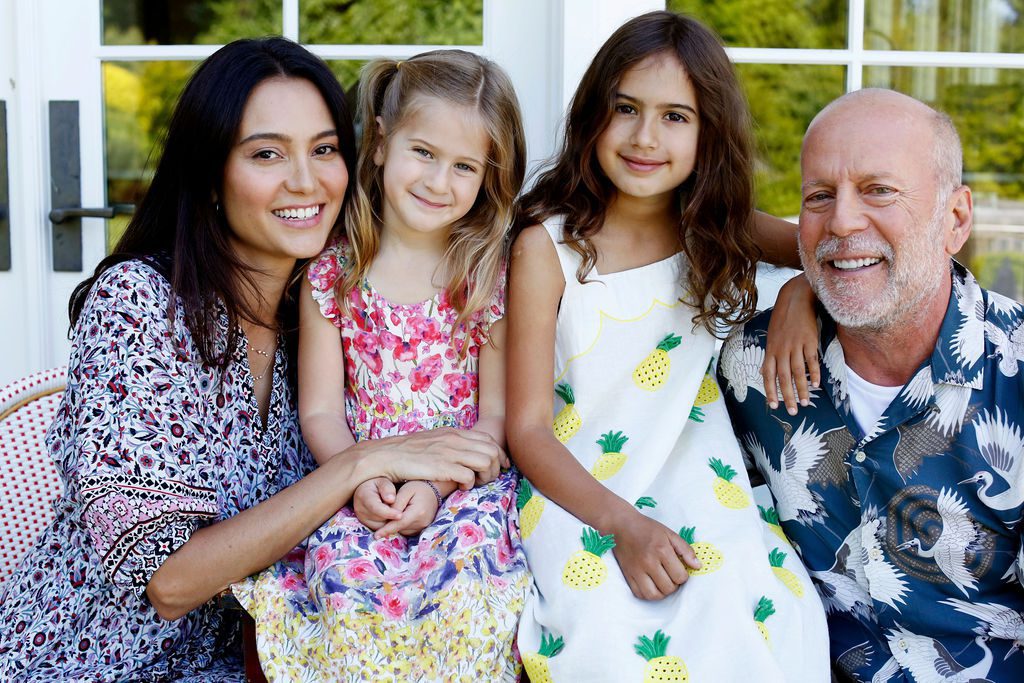
Caregiver connecting.
At first, Willis “spent so much time in isolation trying to fix, hide, control.” Then she started researching online before beginning a sweeping effort to consult dozens of leading experts on FTD and other forms of dementia.
“I have a platform. My husband has such global resources. For me to twiddle my thumbs and not do anything would not serve anyone.”
Wanting to share what she had learned, she felt compelled to get it out in a book, weaving in the perspective of her life with Bruce “not to sensationalize or fuel tabloid gossip” but to connect through stories.
Connecting is crucial for finding support, she says, which is why she encourages people to join support groups in-person or online. “Be in the room with other caregivers. Some are a few steps ahead of you and you can learn from them. You’re able to share stories and lean on one another.”
The Unexpected Journey addresses the many chapters of every dementia caregiver’s journey with honesty, depth and heart — dealing with your person’s brain changes, building community, taking care of your emotional and brain health, parenting, letting friends and family take care of you and even reframing the journey (when you can).
Here is a sampling of insights from Emma Willis, excerpted from The Unexpected Journey:
- Get help.
When I asked experts for their top piece of advice for care partners, no matter their field of expertise, they said to get help. And when I asked about the biggest mistake care partners make on this journey, they say it’s not getting that help soon enough. - Try to connect with a person who has
had a similar experience.
One of the most important members of your community is the person who is walking a few steps ahead of you on the caregiving journey, because they can provide insight but aren’t so removed that they can’t empathize with what you’re currently going through. - Be informed.
In time, I’ve been able to dig into my ongoing education. This has provided me with so much comfort and helped settle my nervous system to some degree. As Teepa says, “Knowledge is the key to stress reduction.” For me, that means reading a lot and asking the doctors, specialists, and other experts about what is happening and what’s to come. [Teepa Snow is the founder of Positive Approach to Care.] - Let friends and family take care of you.
This book is here to give you permission to prioritize your own well-being.
More stories to explore:
What is FTD?
FTD Misdiagnosed and Misunderstood
Empower Your Family