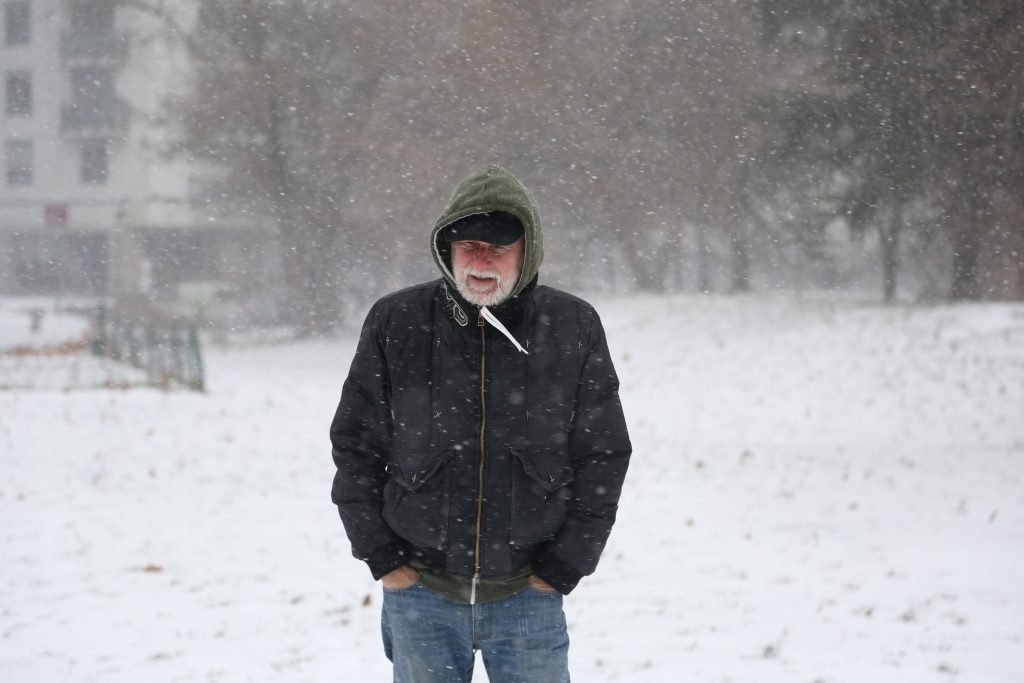
Wandering is a common and potentially dangerous behavior among individuals living with dementia.
January 21, 2026 – Arctic blasts and polar vortexes are causing dangerously cold, frigid conditions in areas across the country; in some cases, sub-zero wind chills and near-record low temperatures. These extreme conditions are especially dangerous for someone living with dementia who might wander, which is why the Alzheimer’s Foundation of America (AFA) is advising their family caregivers about important steps they should take to reduce the risk of wandering.
Wandering is a common and potentially dangerous behavior in individuals living with dementia. Someone who wanders can quickly become lost or disoriented, be unable to remember how to get back home, or know how or who to call for help. They may also leave home without dressing appropriately for the weather. Cold winter weather adds to the dangers of wandering with the risks of hypothermia, injuries from slipping on ice or snow, and reduced visibility all being risks. Additionally, dementia-related illnesses can impair a person’s ability to recognize when they are too cold or at risk of hypothermia.
“Extreme cold weather conditions magnify the dangers that someone with dementia faces if they wander away from safety. Family caregivers need to understand the risk factors and warning signs of wandering and act quickly to address them,” said Jennifer Reeder, LCSW, AFA’s Senior Director of Educational and Social Services. “Take steps now to help reduce the chances that your loved one with dementia will wander and ensure you’re prepared if an emergency arises.”
AFA encourages family caregivers to follow these protective steps:
Safeguard the home. Objects such as car keys, jackets, and purses, especially when left near a door, can prompt your loved one to leave suddenly. Avoid leaving these items out in the open. Most people living with dementia are more likely to wander outside when environmental cues trigger confusion or curiosity — and snow can definitely be one of those triggers. Consider closing the blinds/curtains so the person does not see the snow outside.
Watch for warning cues. Wandering often stems from an unmet need or desire (i.e., hunger, thirst, a need to use the bathroom, a wish to engage in an activity, a desire to follow an old routine). Look for signs that the person may need something (i.e., restlessness can be a sign that the person may need to be more actively engaged) and quickly address this to reduce the chances of wandering. Sometimes, wandering can be a form of communication, especially if the person’s verbal skills are impaired. Watch for signs that loved ones are frightened, anxious, stressed, or overstimulated, and take action to soothe, reassure, and redirect them.
Know your loved one’s patterns. Know what times of the day may be more triggering than others and provide activities during those periods. Encourage healthy sleep habits to reduce chances the person might leave in the middle of the night. If your loved one does wander, keep a record of their patterns (frequency/time of day, where they were found, etc.) to help guide you in the future.
Provide alternative activities. Walking outdoors can bring a feeling of purposefulness and engagement for someone living with dementia, especially if they previously lived an active lifestyle and enjoyed the outdoors. Look for consistent and sustainable ways to provide these active experiences in a safe environment: create walking paths around the home with visual cues, engage the person in simple tasks, and provide cognitively stimulating activities (i.e. music, crafts, crossword puzzles).
Develop/update your safety plan. Compile or update relevant information (i.e., recent close-up photo, medical information, a list of places the person may go) so that it can be given quickly to first responders in an emergency. Keep a list of people to contact if the person is missing and ask neighbors to call you if they see the person out alone. See if your community has a safety program for families affected by dementia, such as Project Lifesaver. You can then voluntarily enroll your loved one in this program. Through the program, first responders can activate the technology if the person wanders. When possible, encourage and utilize wishes and input from the person when developing this plan.
AFA’s Helpline, staffed entirely by licensed social workers who are specifically trained in dementia care, can provide additional information about wandering prevention tips. The Helpline is available seven days a week by phone (866-232-8484), text message (646-586-5283), and web chat (www.alzfdn.org).