Press Releases

Alzheimer’s Foundation of America and Port Washington Water Pollution Control District Cut the Ribbon on New Respite Care Relief Park for Families Affected by Dementia-Related Illnesses

New Educational and Recreational Resource is Located Within Sunset Park Along Port Washington Waterfront

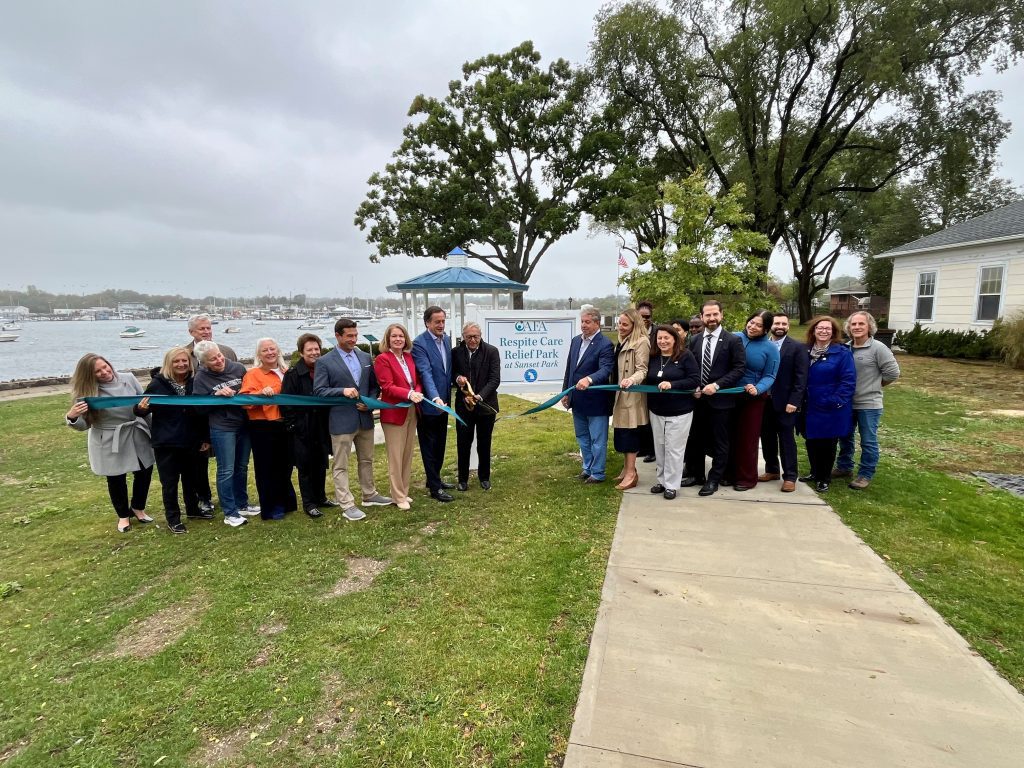
(October 14, 2025)— The Alzheimer’s Foundation of America (AFA) and Port Washington Water Pollution Control District (PWWPCD) officials today cut the ribbon on a new Respite Care Relief Park for families affected by Alzheimer’s disease and other dementia-related illnesses. The park is an educational and recreational dementia-friendly place where caregivers can feel comfortable bringing their loved ones with dementia to relax and enjoy a peaceful outdoor setting, while also gaining helpful educational information.

Located along the Port Washington waterfront overlooking Manhasset Bay, the Respite Care Relief Park includes a gazebo, benches, landscaping, and educational information about Alzheimer’s disease; avoiding caregiver burnout; building caregiver skills and a caregiving team; and support services. The park is located within Sunset Park, which is owned by the PWWPCD.

“AFA is pleased to work with the PWWPCD to create this new dementia-friendly resource for Long Islanders living with Alzheimer’s disease and other dementia-related illnesses,” said AFA President & CEO Charles J. Fuschillo, Jr. “Caregivers need dementia-friendly places that they can feel comfortable bringing someone with dementia to get out of the house, relax, and socialize, all of which are essential for both them and their loved ones. We’re grateful that Long Islanders caring for loved ones with Alzheimer’s can visit this peaceful, picturesque waterfront park to enjoy the outdoors and learn about accessing help and support.”

“This is a gift to help the growing number of Long Islanders caring for family members with Alzheimer’s,” said Bert Brodsky, AFA’s Founder & Board Chair and a Port Washington resident. “When my mother lived with Alzheimer’s disease, resources like this did not exist, and I wish they had. We now know the harm that isolation causes caregivers and individuals living with Alzheimer’s, and the importance of having dementia-friendly places to go. Working together with the PWWPCD, we’ve given something to families to help them in their time of need.”

“The Port Washington Water Pollution Control District extends its sincere gratitude to AFA for their generous donation of this beautiful gazebo,” said PWWPCD Commissioner Eddy Marinelli. “Sunset Park is a cherished part of our community, and this addition furthers our commitment to maintaining a vibrant, welcoming environment for all residents. We value our partnership with organizations like AFA that share our vision for enhancing Port Washington’s public spaces.”

North Hempstead Town Supervisor Jennifer DeSena, New York State Assemblymember Daniel Norber, and North Hempstead Town Councilwoman Mariann Dalimonte joined AFA and PWWPCD officials at the ribbon cutting.

The need for dementia-friendly places is critical. Isolation is one of the biggest challenges for individuals living with Alzheimer’s and their caregivers. It can accelerate the progression of the disease and contribute to caregiver burnout. The park gives Alzheimer’s caregivers an outlet to get out of the house, enjoy a peaceful outdoor setting, socialize and receive information that can help them.

According to the Centers for Disease Control and Prevention (CDC), approximately 7 million Americans live with Alzheimer’s disease right now, and that number is projected to double by 2060. More than 426,000 people in New York State currently live with Alzheimer’s, including an estimated 60,000 Long Islanders.

Information about additional services the Alzheimer’s Foundation of America provides to families affected by dementia-related illnesses, including a Helpline that’s available 7 days a week, caregiver support groups, and educational programs, can be found at www.alzfdn.org or by calling 866-232-8484. Long Islanders can also take advantage of free programs and services at the AFA Barbara Rabinowitz Education & Resource Center by calling 631-223-4000 or visiting afalongisland.org.


Labor Day T.R.A.V.E.L. Tips for Those Traveling with a Loved One with Dementia

August 21, 2025— As millions of Americans prepare for end-of-summer getaways this Labor Day weekend, the Alzheimer’s Foundation of America (AFA) is advising caregivers taking a trip with a loved one who has dementia to follow the T.R.A.V.E.L. tips so the journey is as smooth as possible.

“Whether you’re taking a road trip or a flight, there are preparations and adaptations caregivers should make to make the trip as smooth as possible for their loved one living with dementia,” said Jennifer Reeder, LCSW, AFA’s Senior Director of Educational and Social Services. “During a busy holiday travel weekend with packed roadways and crowded airports, it’s especially important for families to be proactive and prepared.”

AFA recommends taking the following dementia-friendly T.R.A.V.E.L. tips:

Time the travel properly. Plan the travel mode and the timing of your trip so the level of anxiety and stress for your loved one is minimized. Incorporate the person’s capabilities and needs when deciding on arrangements. Anything unfamiliar, such as a place, environment, or change in schedule can be overwhelming for someone with dementia. Try to preserve the person’s routine and support them through changes.

Reduce stress and anxiety. If travelling by mass transit, familiarize the person beforehand, in keeping with their understanding, with what will happen at security checkpoints. This can reduce potential anxiety.

Avoid overscheduling. It is tempting to schedule many activities and experiences during a trip, but this might overstimulate someone living with dementia. It could potentially cause confusion, agitation, or anxiety. Build in downtime so the person can rest and recharge. Take regular breaks on road trips for food, bathroom visits, and rest, and try to avoid rush hour.

Value quality over quantity. Focus on spending quality time together rather than on the number of sites, attractions, and activities you can fit in.

Explore traveler assistance. If flying, the Transportation Security Administration (TSA) offers assistance with the screening process to air travelers with certain medical conditions, including dementia-related illnesses; Contact the TSA Cares Helpline at least 72 hours prior to your flight to learn more. Advise the airline that you are traveling with someone who has dementia, request early boarding, and inform them about any special needs your loved one has.

Leave prepared for contingencies. Bring snacks, water, activities, and comfort items (i.e., a blanket or the person’s favorite sweater), as well as an extra set of comfortable and weather-appropriate clothing. Be sure to bring important health and legal-related documentation, a list of current medications, and physician information with you.

Caregivers who have questions about traveling with someone who has a dementia-related illness can speak with a licensed social worker through the AFA Helpline by phone (866-232-8484), text message (646-586-5283), or webchat (www.alzfdn.org). The helpline is available seven days a week.

Alzheimer’s Foundation of America Cuts the Ribbon on New AFA Barbara Rabinowitz Education & Resource Center in Amityville


(July 25, 2025)— The Alzheimer’s Foundation of America (AFA) recently cut the ribbon on its new AFA Barbara Rabinowitz Education & Resource Center, located at 149 Schleigel Boulevard in Amityville. Over 200 people attended the ceremonial grand opening of the Center, which provides free community programming to Long Island families affected by Alzheimer’s disease and other dementia-related illnesses, free memory screenings to Long Islanders, and more.

Bert E. Brodsky, AFA’s Founder and Board Chairman, said, “When my mother lived with Alzheimer’s disease, our family felt alone, and I never wanted anyone else to feel that way. Since day one, AFA has worked to ensure that every family has somewhere to turn for help and support. This Center is another step forward in that goal, and we’re so pleased to provide this valuable support resource to Long Islanders caring for loved ones with dementia.”

“We’re opening more than just a building—we’re opening a door to hope, support, and understanding for the more than 60,000 Long Island families navigating the challenges of Alzheimer’s disease,” said Charles J. Fuschillo, Jr., AFA’s President and CEO. “This new Center will provide essential services and support to Long Island families, and we’re grateful to everyone who helped make it possible.”

The 11,500 square foot, state-of-the-art center — the first of its kind on Long Island — is readily accessible to residents of Suffolk and Nassau Counties. The center offers free daily programming to Long Island families affected by Alzheimer’s disease and other dementia-related illnesses. Community programs include music; creative arts; movement and motion; and brain games. Each of these provides participants with valuable cognitive stimulation, activity, and social interaction, all of which benefit brain health. It also provides family caregivers with essential respite care, enabling them to drop their loved ones off for programming so that they can have time to care for themselves.

The center also offers free, confidential memory screenings to Long Islanders of all ages, with no minimum age or insurance prerequisites.

The Center is named after Barbara Rabinowitz, a loving daughter, wife, mother, and grandmother whose legacy of love, strength, and selfless dedication to others impacted many people’s lives. Barbara lived with dementia for six years. Members of her family help cut the ribbon on the Center which now bears her name.

Michael Rabinowitz, Barbara’s son, said “Our hope is that this center gives other families a better understanding of what their loved ones are going through—and makes life just a little bit easier.”

Dignitaries attending the event included Babylon Town Clerk Gerry Compitello; Babylon Town Deputy Supervisor Tony Martinez; State Senator Monica Martinez; State Assemblymember Kwani O’Pharrow; State Assemblymember Michael Durso; State Assemblymember Steve Stern; State Assemblymember Jake Blumencranz; Suffolk County Legislator Jason Richberg; Islip Town Supervisor Angie Carpenter; Oyster Bay Town Supervisor Joseph Saladino; and Hempstead Town Councilman Tom Muscarella. Representatives from the Offices of Congressman Andrew Garbarino; Suffolk County Executive Ed Romaine; Nassau County Executive Bruce Blakeman, and Empire State Development were also in attendance.

To learn more about the AFA Barbara Rabinowitz Education & Resource Center and to get information about upcoming programs, visit www.afalongisland.org or call 631-223-4000.

F.O.U.R. Steps to Celebrate July 4th in a Dementia-Friendly Manner

Alzheimer’s Foundation of America Offers Tips for Caregivers

(June 30, 2025)— Fireworks and gatherings are staples of the July 4th holiday, but these can create unique challenges for families affected by Alzheimer’s disease and other dementia-related illnesses. With Independence Day approaching, the Alzheimer’s Foundation of America (AFA) is advising families to follow the F.O.U.R. steps to create a dementia-friendly 4th of July.

“Fireworks and loud noises can create challenges for individuals living with dementia, which is why families need to make thoughtful, proactive adjustments to help their loved ones with dementia celebrate and enjoy Independence Day,” said Jennifer Reeder, LCSW, SIFI, AFA’s Senior Director of Educational and Social Services. “Being prepared and adaptable are the best ways caregivers can create a dementia-friendly 4th of July for their loved ones.”

AFA encourages caregivers to follow the F.O.U.R. steps to create a dementia-friendly 4th of July:

Forgo the fireworks: Fireworks and loud explosions can be distressing for someone living with dementia. If your loved one is also a war veteran, keep in mind that fireworks noise can be triggering and misinterpreted as gunshots or bombs. Consider keeping the person indoors at times when they are likely to hear fireworks. Adapt the fireworks tradition by watching a fireworks display on TV, (keeping attuned to your loved one’s level of comfort with the televised fireworks), using glow sticks, or setting up festive lighting.

Organize and be prepared: Even if you’re inside, the noise and explosions of nearby fireworks can cause anxiety, fear, or agitation for someone living with dementia. Prepare your loved one by explaining to them that there may be loud noises and continue doing so gently at different intervals. If there is a space in the home that is insulated from the noise, that is the best environment. Soothing background sounds such as air conditioners or white noise machines can help keep the person relaxed if fireworks are going off nearby. Playing familiar, favorite music at a low volume can also ease stress. Having favorite comfort items/objects on hand (i.e., blanket, article of clothing, etc.) will help provide additional support.

Check in on your loved one during the night if they live with you. If they live alone, consider asking a trusted relative or friend to stay with them, or hire an in-home caregiver for the night.

Understated gatherings work best: Large crowds can be experienced as overwhelming and disorienting for someone living with dementia. If you are hosting a gathering, keep it small and limit guests to a few family members and/or close friends. Consider providing name tags for everyone to help the person.

Because of the possibility of sundowning, lunchtime celebrations could be best, as there will be less anxiety or confusion at this time of day. Keep the person’s routine as normal as possible, including mealtimes, naptimes, and bedtimes. Incorporate favorite activities into the day.

Revise how you celebrate: While fireworks and large crowds should be avoided, living with dementia doesn’t mean that someone cannot celebrate Independence Day. Making patriotic decorations or crafts, playing or singing familiar patriotic music, baking 4th of July themed desserts, or looking through a family album with pictures of past Independence Day celebrations are all dementia-friendly activities. As an added benefit, caregivers and their loved ones can do them together, creating a connection and providing cognitive stimulation and an opportunity for creativity.

Families with questions or concerns can speak with a licensed social worker through AFA’s Helpline by calling 866-232-8484, sending a text message to 646-586-5283, or web chatting at www.alzfdn-20250418.mystagingwebsite.com. The helpline is open seven days a week.

Heat Safety Tips for Families Affected by Dementia

T.R.I.P. Tips for Families Traveling with a Loved One Living with Dementia this Memorial Day Weekend

In Advance of Recording-Breaking Memorial Day Travel Weekend, Alzheimer’s Foundation of America Offers Tips to Caregivers

(May 20, 2025)— With a record-breaking number of Americans projected to travel this Memorial Day weekend—an estimated 45.1 million traveling at least 50 miles from home between May 22 and May 26, according to AAA—the Alzheimer’s Foundation of America (AFA) is providing T.R.I.P. tips to families traveling with a loved one who has dementia.

“Traveling during Memorial Day Weekend can still be enjoyable for families affected by dementia, but adaptations may need to be made as the disease progresses,” said Jennifer Reeder, LCSW, AFA’s Senior Director of Educational and Social Services. “Regardless of how far you’re traveling, taking a few simple steps in advance can go a long way to making the trip less stressful and more enjoyable for everyone.”

Caregivers should consider the following T.R.I.P. tips:

• Time the travel properly. Plan both the travel mode and the timing of your trip so that it causes the least amount of anxiety and stress for your loved one. Incorporate the person’s capabilities and needs when deciding on arrangements. Anything unfamiliar, such as a place, environment, or change in schedule can be overwhelming for someone with dementia. As much as possible, preserve the person’s routine and support them through changes.

• Reduce stress and anxiety. If travelling by mass transit, familiarize the person beforehand, in keeping with their understanding, with what will happen at security checkpoints, as this can reduce potential anxiety. If flying, request early boarding and TSA Cares assistance. The Transportation Security Administration (TSA) offers assistance with the screening process to air travelers with certain medical conditions, including dementia-related illnesses; contact their TSA Cares Helpline at least 72 hours prior to your flight to learn more. Advise the airline that you are traveling with someone who has dementia and let them know about any special needs your loved one has.

• Include breaks and downtime. Scheduling many activities and experiences during a trip can be tempting but might overstimulate someone living with dementia. This could potentially cause confusion, agitation, or anxiety. Build in downtime to allow the person to rest and recharge. Focus on spending quality time together rather than on the number of sites, attractions, and activities. Take regular breaks on road trips for food, bathroom visits, and rest, and try to avoid rush hour.

• Plan for contingencies. Bring snacks, water, activities, and comfort items (i.e., a blanket or the person’s favorite sweater), as well as an extra set of comfortable and weather-appropriate clothing. Be sure to take important health and legal-related documentation, a list of current medications, and physician information with you.

Families and friends with questions about traveling with someone who has a dementia-related illness can speak with a licensed social worker through the AFA Helpline by phone (866-232-8484), text message (646-586-5283), or webchat (www.alzfdn-20250418.mystagingwebsite.com). The Helpline is available seven days a week.

Creating a Special Mother’s Day for Someone Who Has Dementia: 5 Tips from the Alzheimer’s Foundation of America

May 6, 2025— To help families, friends and partners  create a special Mother’s Day for those  living with Alzheimer’s disease or a related dementia, the Alzheimer’s Foundation of America (AFA) is offering five tips to celebrate in a dementia-friendly manner this Sunday, May 11.

Jennifer Reeder, LCSW, AFA’s Senior Director of Educational and Social Services, said, “Following a few steps can help you celebrate your special person and the bond you share in a dementia-friendly manner this Mother’s Day.”

Follow these five tips to celebrate Mother’s Day with someone who is living with dementia:

  • Reminisce together. Familiar faces and old photos can bring joy and comfort to someone living with dementia. Look at old photos together and talk about them with your loved one as you go through them: for example, who the people are, what the occasion was, and where it took place.  Avoid asking questions like, “do you remember?” Be patient and attentive when listening to your loved one’s stories and memories. Validate their feelings and experiences, even if they don’t align with reality. This validation reinforces feelings of connection.
  • Make new memories. Quality time together is one of the best Mother’s Day gifts to give. When planning activities, take a strengths-based and person-centered approach and incorporate what the person can do and what they choose to do now, rather than dwelling on past abilities. Focus on those things that bring joy, comfort and involvement.
  • Adapt old favorites. Dementia-related illnesses can affect a person’s ability to do things as they once did, so it’s important to be adaptable. If the person loved going to a certain restaurant but no longer can manage eating out, order food from that establishment instead.
  • Flowers are a gift that has therapeutic benefits. Flowers are a very popular Mother’s Day gift, and they can be especially good for someone living with dementia. The fragrance can help improve mood, promote positive feelings, and stimulate the brain. Buy a bouquet of fresh flowers, set it on a table, and enjoy the scents together.
  • Make your own Mother’s Day card. Write a Mother’s Day card and read it out loud to your loved one. Even if they can no longer grasp the full meaning, it will be meaningful in an individual way to them, and the act of writing it and communicating with your love can also lift your own spirits.

AFA’s Helpline, staffed entirely by licensed social workers who are specifically trained in dementia care, can provide additional information and support for families. The Helpline is available seven days a week by phone (866-232-8484), text message (646-586-5283), and web chat (www.alzfdn-20250418.mystagingwebsite.com).

I.R.I.S.H. Tips to Celebrate St. Patrick’s Day with Someone Living with Dementia

(March 10, 2025)— Everyone’s a little bit Irish on St. Patrick’s Day, including individuals living with dementia, which is why the Alzheimer’s Foundation of America (AFA) is encouraging caregivers to follow the I.R.I.S.H. tips to help loved ones celebrate St. Patrick’s Day in a dementia-friendly way.

“Taking a few simple steps goes a long way towards keeping St. Patrick’s Day a festive and enjoyable celebration for someone living with dementia,” said Jennifer Reeder, LCSW, AFA’s Director of Educational and Social Services. “Adapting past traditions can help a loved one living with dementia continue to participate in the holiday fun.”

AFA encourages families to follow the I.R.I.S.H. tips to create a dementia-friendly St. Patrick’s Day:

Intimate celebrations are better: Loud, crowded gatherings, such as parades, restaurants, bars, and parties, can be disorienting and anxiety-producing for someone living with dementia. Celebrate in a familiar setting and choose dementia-friendly activities: watch a parade on TV or enjoy Irish-themed foods at home rather than going out. Keep gatherings small and build activities around the person’s regular daily schedule to the greatest extent possible, as individuals with dementia might struggle with changes to their routines.

Replace alcohol: Dementia can increase alcohol’s negative impact on the brain, which further weakens cognitive function and can cause disorientation and mood alteration. If your loved one with dementia wants to raise a glass to celebrate St. Patrick’s Day, provide a drink such as non-alcoholic beer, non-alcoholic whiskey, or sparkling cider.

Incorporate green: Green is synonymous with St. Patrick’s Day, and it is also a calming color for someone living with dementia. Plan activities centered around the color green, such as a green-themed sensory experience with green objects, fabrics, and textures.

Sing and listen to music: Music and singing are great ways to stimulate memory, keep the brain active, and keep someone with dementia engaged. Listen to Irish music and sing along together to familiar songs.

Handcraft the holiday decorations: With your loved one, make simple St. Patrick’s Day decorations, such as shamrocks, leprechaun hats, or rainbows. This will stimulate the mind and senses.

AFA’s Helpline, staffed entirely by licensed social workers who are specifically trained in dementia care, can provide additional information and support for families. The Helpline is available seven days a week by phone (866-232-8484), text message (646-586-5283), and web chat (alzfdn.org).

Emory University’s Dr. Monica Parker Named Chair of Alzheimer’s Foundation of America’s Medical, Scientific & Memory Screening Advisory Board

Nationwide board comprised of leading experts in care, research,
and treatment of Alzheimer’s disease and related dementias

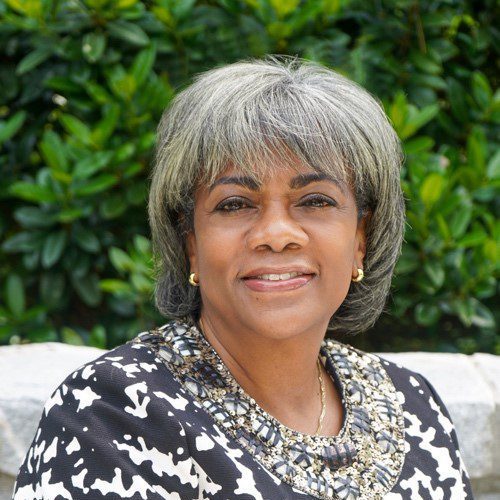
(February 18, 2025)— The Alzheimer’s Foundation of America (AFA) announced the appointment of Monica W. Parker, MD—a family physician, researcher, and caregiver—as Chair of its Medical, Scientific & Memory Screening Advisory Board. The nationwide board is comprised of leading experts in the care, research and treatment of Alzheimer’s disease and related dementias.

Dr. Parker is an associate professor of neurology and leads the Outreach, Recruitment, and Engagement Core (OREC) at the Goizueta Alzheimer’s Disease Research Center (ADRC) as part of the Goizueta Brain Health Institute of Emory University in Atlanta. Dr. Parker is an experienced primary and geriatric care provider who has served on AFA’s Medical, Scientific, and Memory Screening Advisory Board since 2023.

“Dr. Monica Parker is a distinguished, accomplished, and dedicated expert with extensive professional and personal experience caring for individuals living with dementia,” said Charles J. Fuschillo, Jr., AFA’s President and CEO. “AFA relies on its advisory board members for expert insight and opinions on scientific issues surrounding dementia, as well as in the development of new programs, policies, and advocacy efforts related to research and care. Her knowledge and ability, combined with her passion and success at helping others and connecting people with services, will serve her well in her new leadership role and continue to be a great benefit to the board and AFA.”

The Goizueta ADRC’s community outreach team, led by Dr. Parker, helps medically underserved populations who are at greater risk of developing Alzheimer’s disease, access Alzheimer’s-related programs, services, and memory screenings. The team also works to increase their participation in research initiatives to ensure greater efficacy and diversity in clinical trials. Diversity is a critical element for advancing the science surrounding Alzheimer’s disease.

“I am honored to serve as Chair of AFA’s Medical, Scientific & Memory Screening Advisory Board,” said Dr. Monica W. Parker. “Advancing Alzheimer’s research, care, and education—especially within communities that are often underrepresented—is deeply personal and essential work. I look forward to collaborating with this team of distinguished experts to help improve the lives of individuals and families affected by dementia.”

Dr. Parker has provided national service on the US Food and Drug Administration’s (FDA) inaugural Patient Engagement Advisory Committee 2017-2024; The American Academy of Family Physicians (AAFP) Commission on Continuing Professional Development (COCPD) and is currently Co-Director of the national ORE Core Steering Committee for the NIH – NIA funded National Alzheimer’s Coordinating Committee (NACC). Her honors include the Atlanta Business Chronicle’s Healthcare Champion 2025, the Georgia Legislature Women’s Caucus “Yellow Rose” award, and being named one of Atlanta’s Top Doctors in Family/Geriatric Medicine in Atlanta Magazine.

For more information about AFA’s Medical, Scientific and Memory Screening Advisory Board, please click here.

Follow the H.E.A.R.T.: Five Tips to Celebrate Valentine’s Day with a Loved One Living with Dementia

(February 10, 2025)— Valentine’s Day can present unique challenges to relationships; loved ones living with dementia may not be able to express themselves or remember things as they did before the onset of the illness. To help caregivers affected by dementia, the Alzheimer’s Foundation of America (AFA) is encouraging families to follow H.E.A.R.T.—five tips on how to celebrate Valentine’s Day with a loved one.

“Dementia changes many facets of life, including relationship dynamics, but it should not prevent people from feeling love and affection,” said Jennifer Reeder, LCSW, AFA’s Director of Educational and Social Services. “There are ways families can adapt how they connect and express support so that someone living with dementia can experience love on Valentine’s Day and throughout the year.”

AFA encourages families to follow the five H.E.A.R.T. tips to create a dementia-friendly Valentine’s Day:

Help your loved one reminisce: Reminiscence activities provide valuable cognitive stimulation for someone living with dementia. Go through old photos together with your loved one and describe them—who the people are, where it was taken, what the occasion was, etc. Talking about moments you happily enjoyed together- whether it’s a vacation, celebration, or another occasion- is a great way to celebrate the love and special bond you share. Avoid asking the person questions such as “do you remember this?”

Enjoy flowers together: The time-honored Valentine’s Day gift of flowers can have therapeutic benefits for someone living with dementia—the scent can be uplifting and can also stimulate the brain. Purchase a bouquet of fresh flowers (preferably ones which are non-toxic to humans or pets, such as roses, orchids, or sunflowers), set it on a table, and enjoy the fragrance together.

Adapt intimacy: Dementia’s impact can make it difficult to do some things as you once did, but there are numerous ways to maintain, restore or create intimacy, love and connection. Sharing a meal, watching a familiar movie, enjoying favorite music, or just taking a walk together are all ways to help stay connected. Nonverbal cues, such as gentle touching, smiles, and eye contact, can also maintain or strengthen connections with someone who may no longer be able to verbalize their emotions as before.

Reaffirm your feelings. Write a Valentine’s card and read it out loud to your loved one. Even if they can no longer grasp the full meaning, they might feel the sentiments you are expressing. The act of writing it and communicating your love can also raise your own spirits.

Talk in the person’s “love language”: People give or receive love through “love languages,” such as touch, words of affirmation, quality time, gifts, and acts of service. Know what types of gestures your loved one responds positively to and try to “speak to them” in that love language. Keep in mind that these may change over time as the dementia-related illness progresses.

AFA’s Helpline, staffed entirely by licensed social workers who are specifically trained in dementia care, can provide additional information and support for families. The Helpline is available seven days a week by phone (866-232-8484), text message (646-586-5283), and web chat (alzfdn.org).