Eating & Drinking in Later-Stage Dementia

As a person living with Alzheimer’s or another form of dementia
progresses through the many phases, the loss of various skills,
unfortunately, is predictable. Eating and drinking can become
challenging and maintaining proper nutrition a major concern.
“Feeding problems afflict 86% of people with an advanced dementia,”
says Nancy Weintraub, M.D., clinical professor of medicine, UCLA,
and director, UCLA Geriatric Medicine Fellowship. “The ability to
feed oneself is usually the last independent skill that a person with
dementia loses.”
Many people with late-stage dementia forget how to swallow
properly, which can lead to weight loss, malnutrition and aspiration
pneumonia (when a person inhales food, stomach acid or saliva into
the lungs). Remember that the trachea, which leads to the lungs, is
in front of the esophagus, which leads to the stomach. To swallow,
the trachea needs to close properly. When we consider that just
swallowing uses some 50 pairs of muscles, some voluntary and
some involuntary, you can begin to understand how complicated it
is. A speech pathologist can evaluate these problems, help initiate
swallowing studies at bedside and using x-rays, and may find safer
food and liquid solutions.
“When someone has a late-state dementia, it’s important to
allow them to eat what they are willing to eat,” says Weintraub.
A preference for sweets is often maintained. You may find yourself
using a lot of pudding, but try any of their known favorite foods
and new foods. Tastes will definitely change.
What about straws? “You’ll notice straws are everywhere in hospital
settings, but for a person with swallowing difficulty, straws are not
your friend,” says Weintraub. “Sucking from a straw shoots
droplets all over your mouth that are hard to collect, making it easy
to aspirate liquid.”
Maintaining a person’s independence and preferences for as long as
possible is important to quality of life. So adjusting food textures
and liquid consistencies and providing feeding gadgets are important
steps for caregivers to take on this journey. Some changes that may be
recommended by a speech therapist or doctor follow.
Food & Liquid Consistencies to Consider
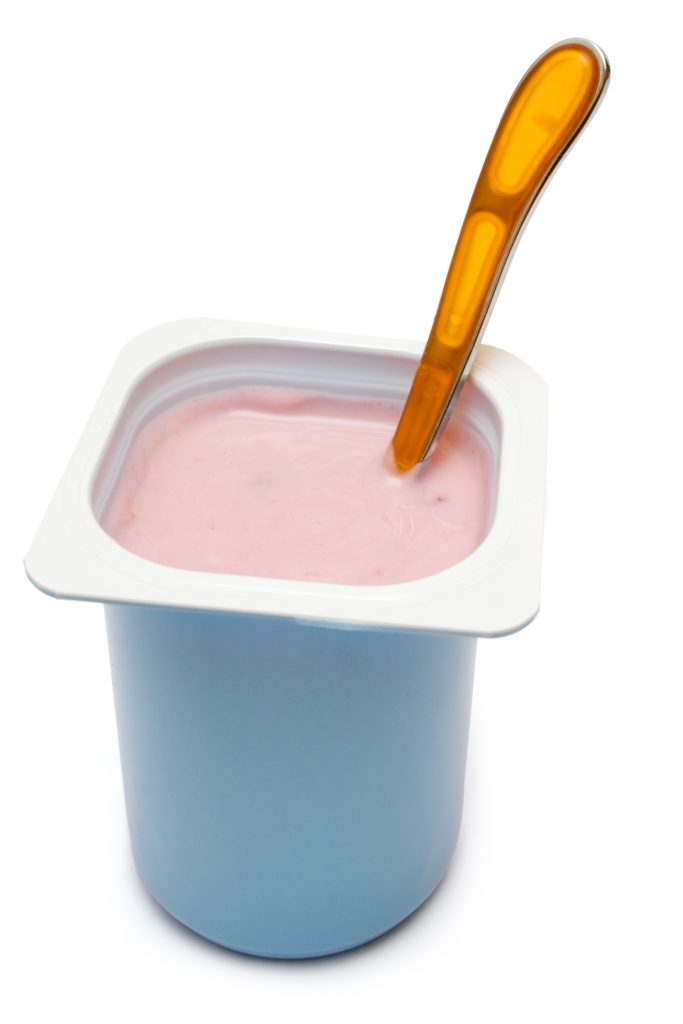
Puree
(smooth-pudding consistency) pudding, yogurt, cottage cheese, cream soups fruits/vegetables, pureed and thickened

Soft foods
(foods that “stay together”) macaroni and cheese, scrambled eggs, pancakes with jam or syrup, soft casseroles, meatloaf, egg/tuna/chicken salad with mayo

Ground
(use gravy or sauces to make moist) canned tuna, soft ground meats and vegetables
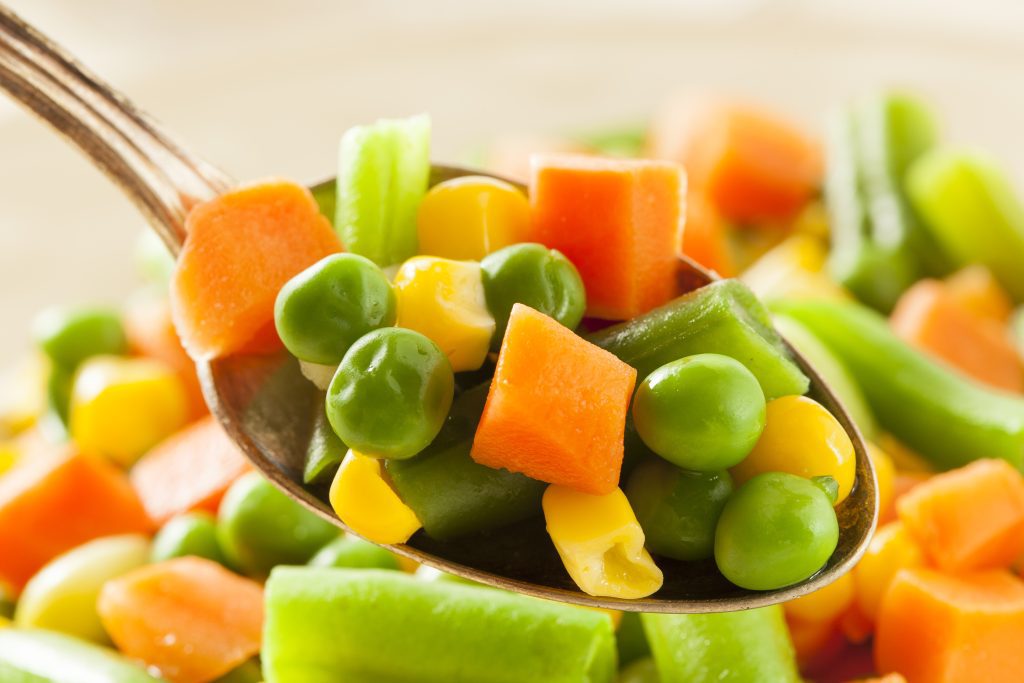
Complex textures
pasta, soft cheeses, cold cereal in milk, chopped or steamed vegetables (green beans, carrots)
Liquid
Over-the-counter products exist to thicken liquids to these consistencies to assist with swallowing.

Honey-thick
(i.e., the consistency of honey)

Nectar-thick
(i.e., the consistency of pear/ apricot/peach nectar or tomato soup)
Feeding Gadgets

Weighted utensils
Good for a person with tremors; keeps food from falling as easily.

Bowls with lips & rubber bottoms
Keeps food/plate in place when pressed or leaned against.
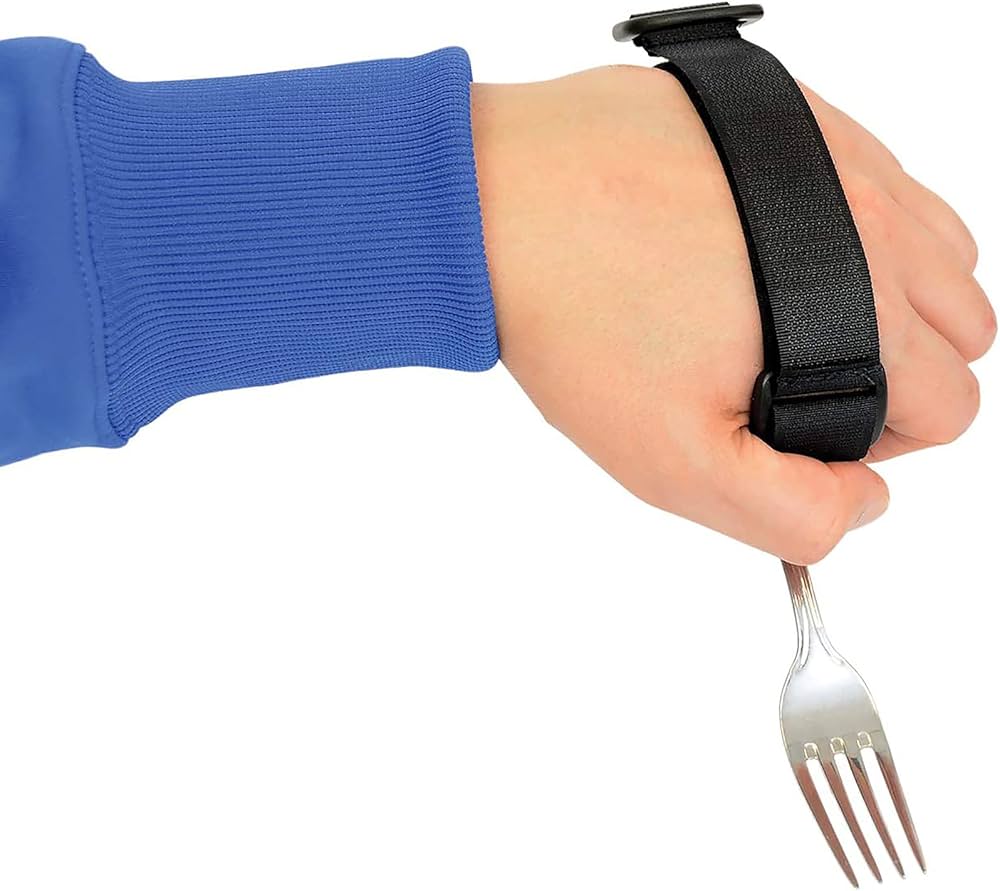
Universals cuff
A wrist cuff, with an attached utensil, for someone who can no longer use their hand.

Baby spoon
Long-handled baby spoons Ideal for a person who needs to be fed a small amount of food at a time; discourages rushing.
Careful: Food Textures Harder to Swallow Safely

Hard to Eat Foods
celery, fresh fruit, corn, crunchy peanut butter, brown/wild rice

Foods that melt
ice cream, milkshakes, chocolate candy, sherbet, gelatin (Jell-O)
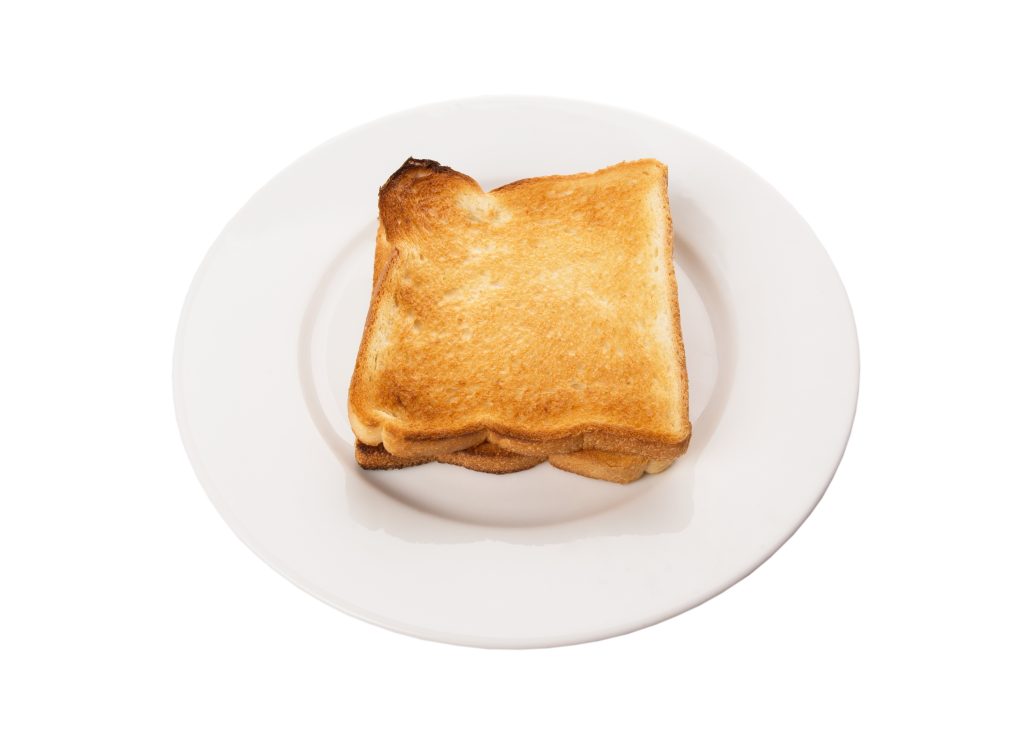
Flaky foods
toast, crackers, popcorn, nuts
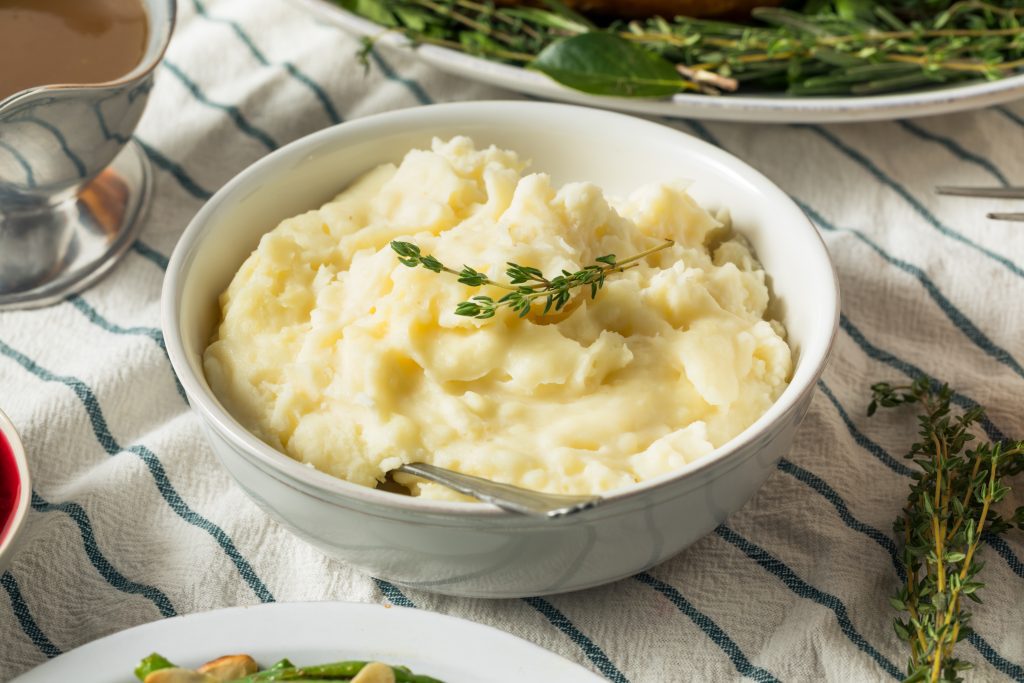
Sticky or bulky foods
white bread, mashed potatoes, potato salad, refried beans